
Make your own nutritional yeast extract
By Richard Trombly
People seem to either love or hate the thick brown paste that is known as Vegemite or Marmite. These are merely nutritional yeast extracts usually taken from a beer brewery’s leftover brewers’ yeast. Similar extracts are high in nutrition and provide a strong savory or umami taste somewhere between an aged cheese and a soup broth. It is no surprise that they are a common commercial food additive for both flavor and nutrition.
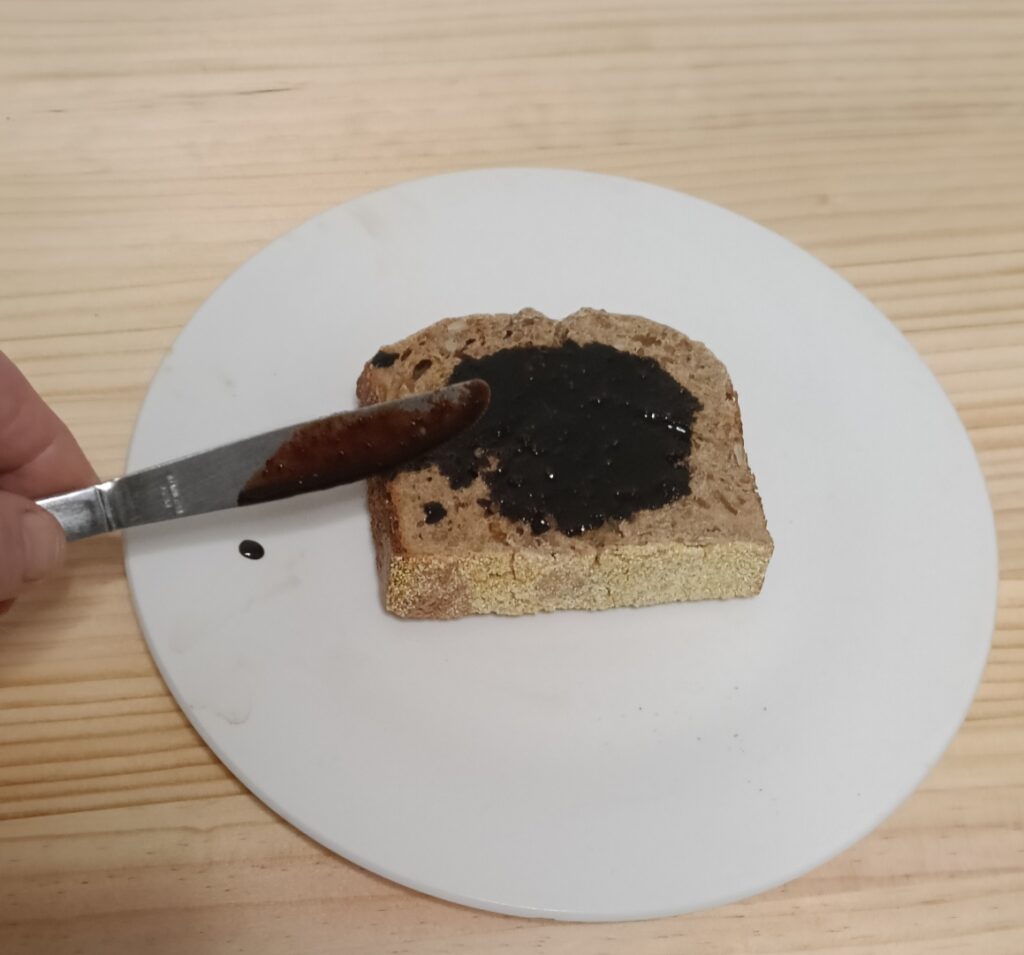
The commercial products have added salt, vegetable extracts and other flavorings. None of the commercial brands are readily available here in Japan so I have been making my own. It is also nice to be able to make it sodium-free. I dry my own organic vegetable and spice mix and grind it to a fine powder to enhance the flavor of the extract. I put it on my homebaked breads and use it in place of a bullion base for vegetable stews or soups.
A very funny and disturbing thing I have found is that since I started making my own, I have seen a large number of Youtube or other CMV (Consumer-Made Video) content with “helpful” V-loggers claiming to show people how to make their own Vegemite or Marmite and providing absolute misinformation. They use the waste product and toss the actual nutrition extract. Do not get your information, especially about nutrition, from CMV influencers. Check reliable sources.
Before I explain what the influencers got wrong, I will detail the process for properly making your own nutritional yeast extract.
The things you will need are:
- A large sauce pan or stock pot able to hold more than 5 l (about 1.25 gallons) of liquid. (The bigger the better) with a lid.
- Another vessel of at least 5 l.
- Cheese cloth (*optional)
- Bread yeast one packet – about 7 g (.25 oz)
- 400 g (about 2 packed cups) of dark brown sugar (As dark as you can get, so it has more molasses) * alternately add 80 g (4 tbsp) blackstrap molasses to regular cane sugar.
- Spring water or filtered. *Distilled is not advised.
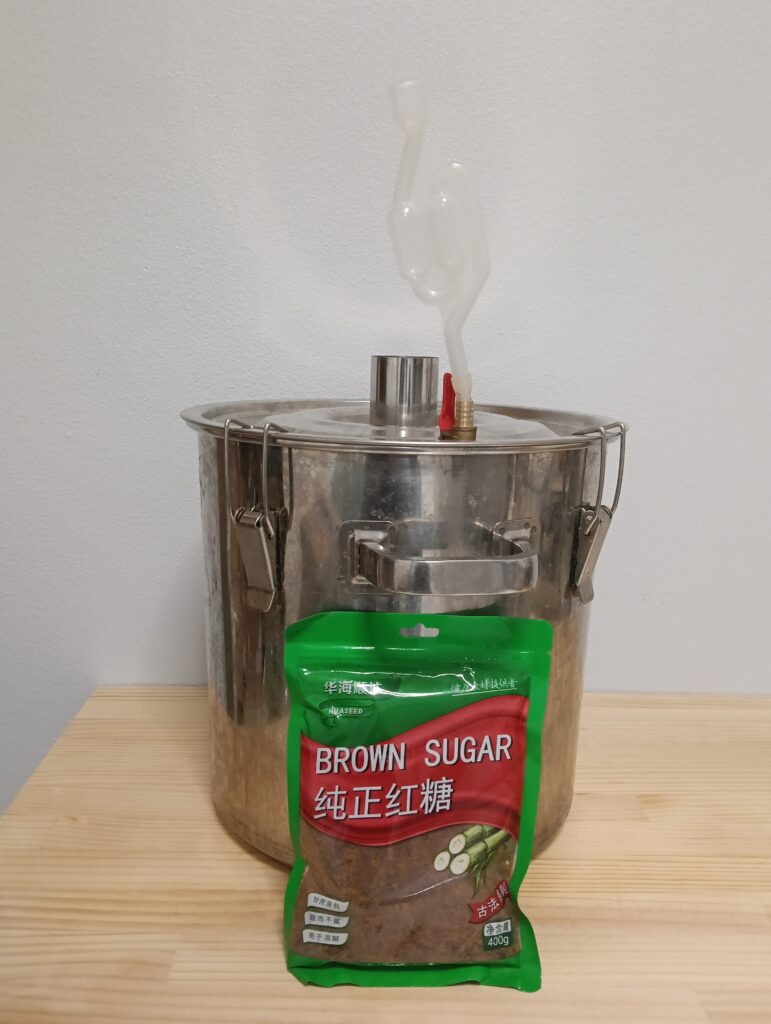
The etymology of molasses comes from the Latin mel or honey. It later became mellacium, which any mead brewer knows, and led to the term must, the water, honey, yeast and other ingredients used in fermenting honey wine. Molasses is the nutrient-rich byproduct from refining sugar. 20 g (about 1 tbsp) of blackstrap molasses contains: Iron 0.94–3.6 mg, Calcium 41–100 mg, Magnesium 40–48.4 mg, Potassium 292–400 mg, Vitamin B6 ~0.2 mg, Manganese 0.31–0.7 mg and Selenium ~3.56–5 mcg. The yeast just love it. Yeast can survive briefly on white sugar or honey but will not thrive. You would have the same experience.
Since I do this a lot and also make alcohol macerations, I use a food-grade acid wash commonly used by microbrewers called Starsan to sanitize all the equipment and the brewing vessel. The lightly acrid scent reminds me of being a kid on our dairy farm and the mornings in the milk room of the barn where my father cleaned the milk pipeline with a similar sanitizer.
- You can simply wash and then boil everything, including the cheesecloth, to assure it is sanitary.
- Take the pot and add the 4 l. (1 gallon) filtered or bottled water and warm it to somewhere around 35° C (90° F),
- Add sugar and stir it with a santized mixing spoon until the sugar is dissolved.
- Add yeast.
- Place the lid on the pot. *optional place cheesecloth between the pot and its lid to assure no insects can get in through the steam hole in the pot lid. This is a reason, aside from acting as a pressure release, why there is a gas lock on brewing vessels.
- Set aside in a place where it will not be distirbed for about a week.
Some people prefer to proof their yeast first which means placing the yeast in a small amount of water with a spoon of sugar dissolved in it and let it sit until it foams up. Yeast is so dependable that it is really not necessary to do this step in most cases. Do not use extra yeast, since yeast is very good at multiplying itself when there is a food source.
Within a day, you will see bubbly action at the edges of the pot. The yeast will work to break down all of the sugar. The mixture will have a rich beery smell and a slightly sweet odor. Bread yeast has a low alcohol tolerance, meaning it will go dormant if it produces too high an alcohol content, and does not produce much alcohol either. When it is finished, the solution will have 1 to 1.5 percent alcohol by volume (ABV).
Waiting about a week, the yeast should have compoletely broken down the sugars. There should be no more bubbling. You can taste the liquid and it will be a bit like sparkling water. Do not drink too much because it is still active yeast and while not harmful, might give a bit of stomach upset depending on how much fermented foods you consume. (Some cuisines, like many Asian foods, are fermented but some people may not be used to fermented foods.)
Now is the time to perform autolysis. This means taking this suspension and heating it gently to within 5 degrees of 50° C (122° F) but not over 60° C for about 2-4 hours. I use a heater that I can set for 50° C and leave it for that period. If you do it on a stovetop, have a food thermometer handy. Do not allow the temperature to rise over 60 ° C or you will denature the protein. (Think of cooking an egg, when the whites change from transluscent to white, the proteins have denatured.)
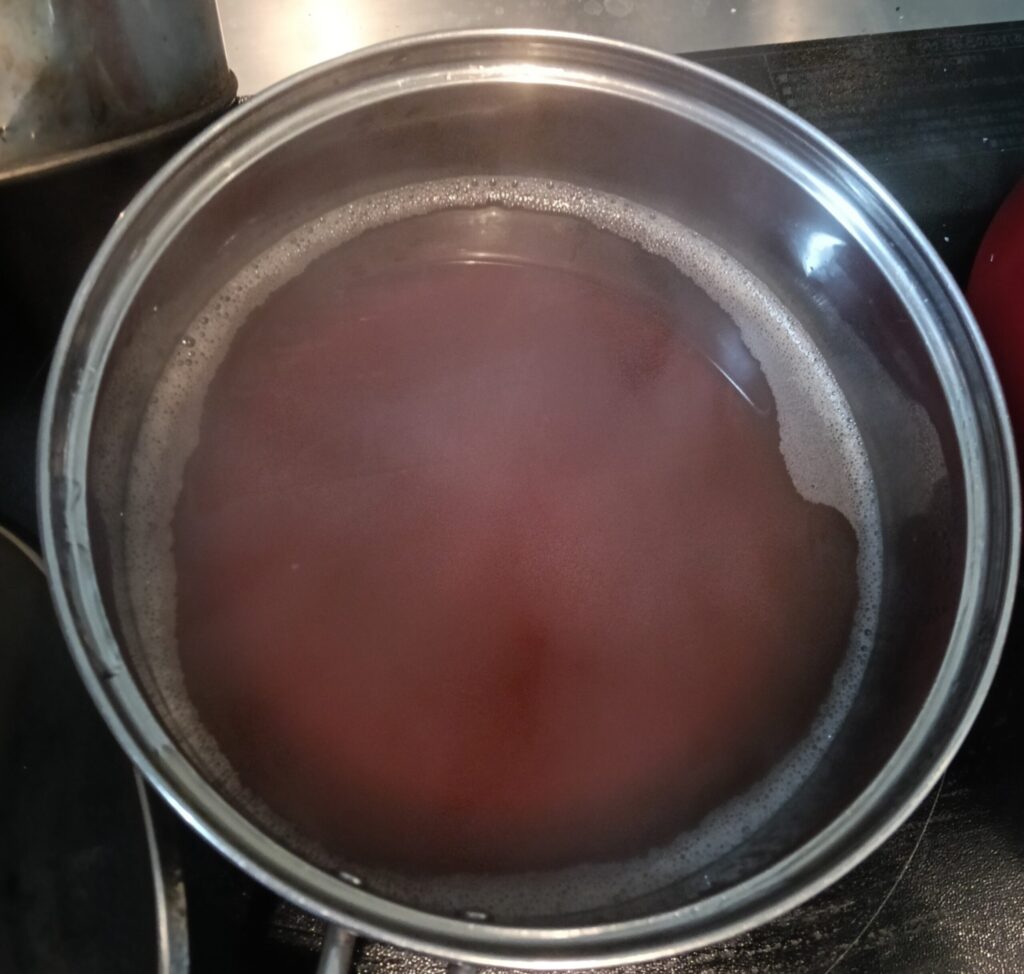
What is happening in autolysis is that the very full yeast enjoys a nice warm bath and then, in this water just above bath temperature or body heat, the cell wall ruptures and the nutrients are dissolved into the liquid.
Let this cool and set aside for a day or two. You will note a sludge, the precipitate, forming on the bottom. This is the skeletons of the dead yeast. Not all of the yeast will have died so some very strong ones will be enjoying this super nutrient environment.
For the next step, you will sanitize the second vessel and then gently pour the supernatant, the nutritional liquid on top, into the other vessel. I use a food-grade siphon that can be purchased from a home brew supplier. Be careful to not upset the sludge at the bottom and stop pouring before any of the dregs get in the second vessel.
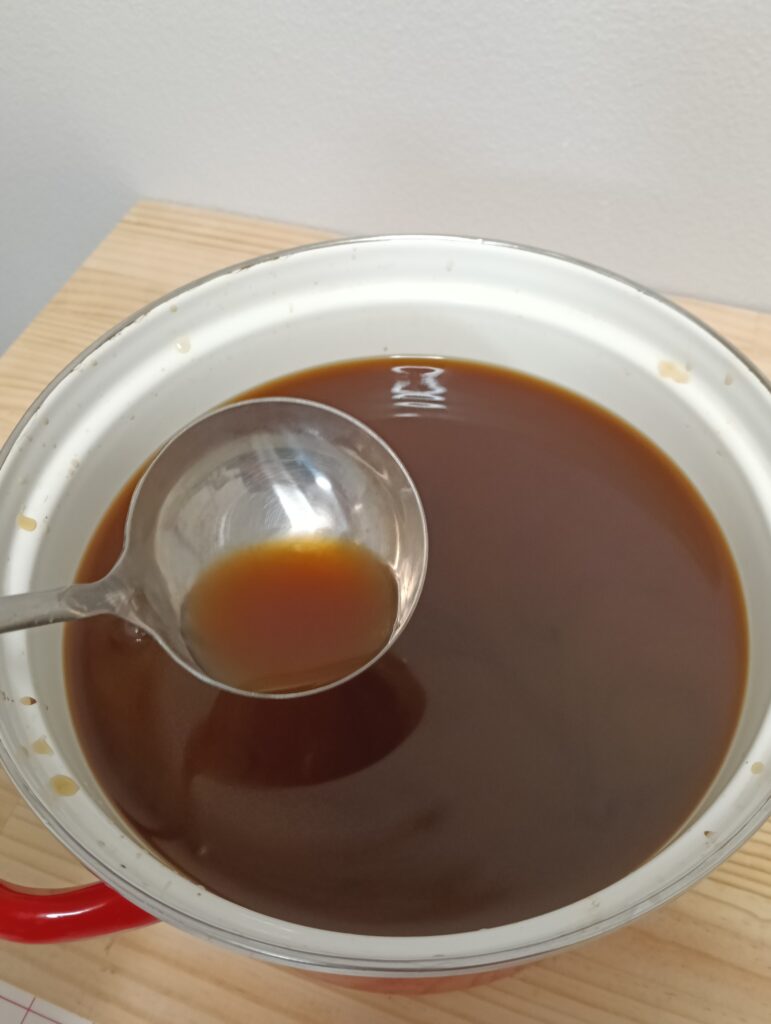
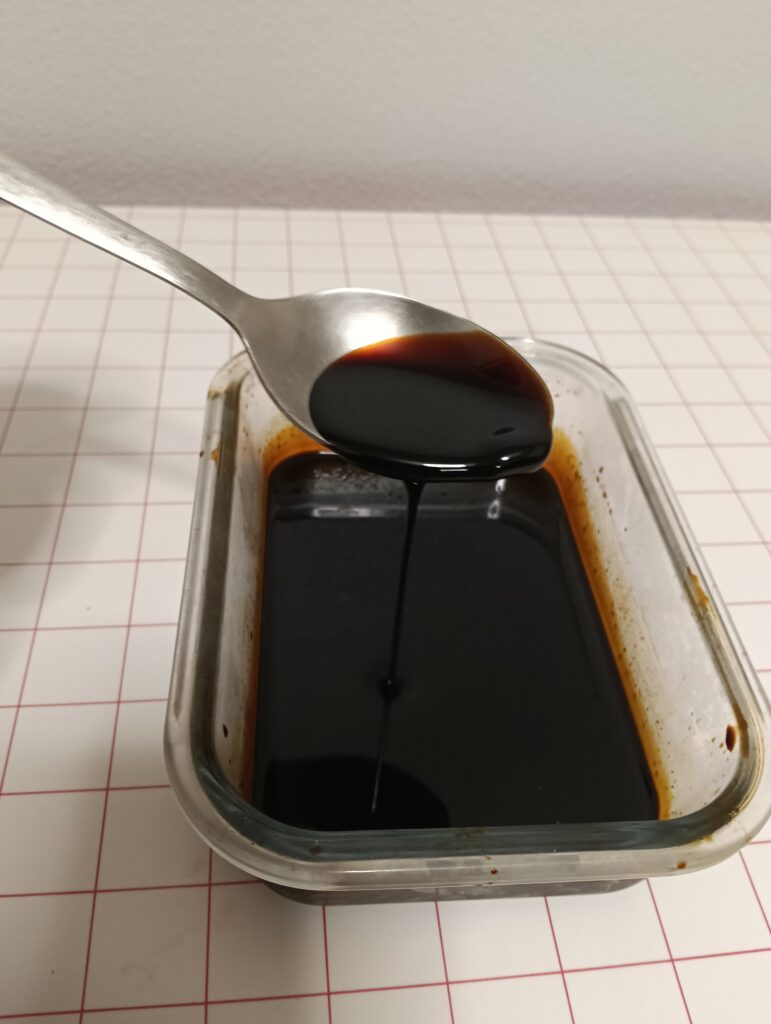
The precipitate on the bottom is waste product. You can wash and sanitize your pot and then pour the supernatant back in. Now you can boil this mixture until it becomes about like molasses syrup. Be careful not to burn it. While cooking it, there will be a rich, carmel-like aroma.
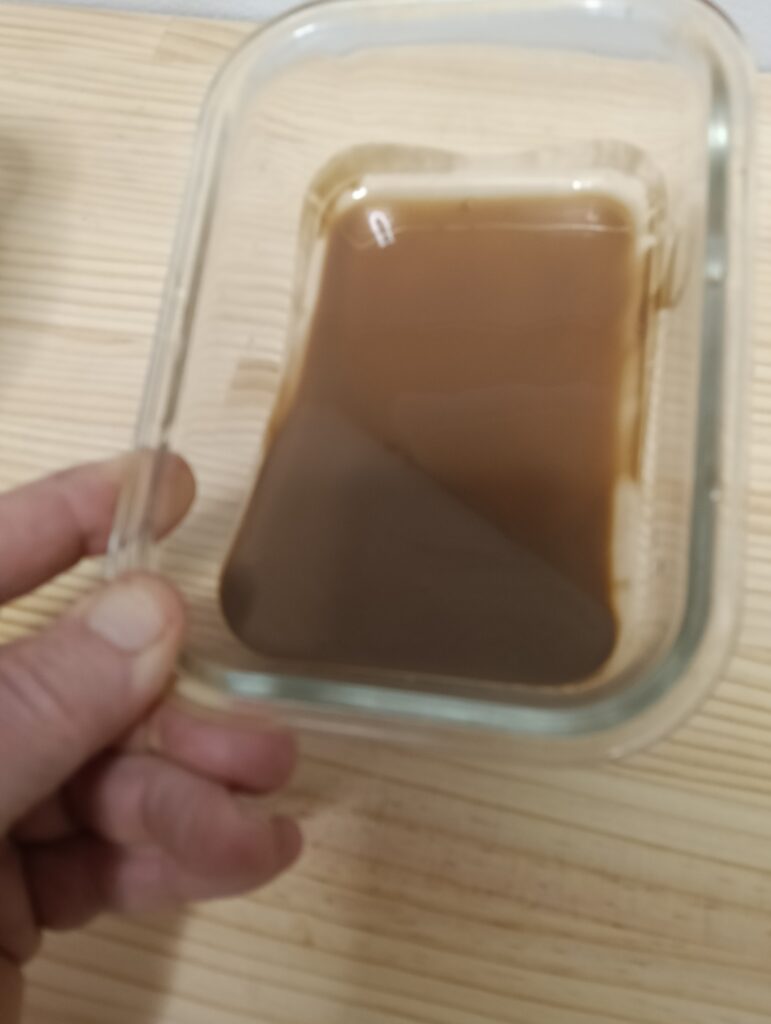
Once it is molasses thickness, it can be put in a dehydrator or an oven below 60 ° C and dehydrate it until you have a paste consistency like peanut butter. I add my own mix of powdered vegetables and spices to add a little additional flavor to the spread. It is great as a soup stock addition for a zesty, rich flavor and a health boost.
Earlier in this article, I spoke about watching video blogger influencers giving bad advice. What I saw in nearly every video on making yeast extract like the commercial brands showed people draining off the supernatant, the nutritional part, and using the precipitate, the sludge, to make the yeast extract paste. They went through their failed steps and confidently told their audience how to do it.
Then came the moment of truth. They got a piece of bread and spread this waste product on their toast, tried to smile over their discomfort and said it was slightly more bitter than the commercial brands. It was the dregs. Of course it tasted terrible. But they do it for clicks from followers, not to inform.
Do not trust them — or me. Check it out for yourself. As a former journalist, I really do care more about informing than having followers or likes. If you do try this, let me know how it turned out. Email me at: richard.trombly@gmail.com